

How Vets Evaluate Swollen Lymph Nodes and What They Look For
Lymph node enlargement in pets demands investigation, not assumption. Maybe it was discovered during routine petting, or perhaps a veterinarian found it during an exam. Either way, the next step is figuring out why those nodes are enlarged, because the cause determines everything about treatment and prognosis. Enlarged lymph nodes are a symptom of the immune system reacting to something, and figuring out what exactly is causing the reaction is key.
At Southern Arizona Veterinary Specialty & Emergency Center in Tucson, we approach enlarged lymph nodes systematically. As a specialty facility, our board-certified oncology team and advanced diagnostics help us get clear answers. Fine needle aspiration and biopsy provides cells for microscopic examination, while bloodwork and imaging help us understand the bigger picture of pet health. Contact our team about lymph node concerns. We’re here to help you understand what’s happening and what comes next.
Finding a Lump: What It Could Mean and What Happens Next
You are cuddling your dog, run your hand under the jaw, and feel a firm bump. Or your cat stretches out, and there is a knot behind the knee you are sure was not there yesterday. Those moments are worrying, and the impulse to Google is strong. Enlarged lymph nodes can be reactive to a simple infection, or they can signal a systemic disease that needs immediate attention. The fastest way to clarity is a thorough evaluation.
As a locally owned, AAHA-accredited specialty and emergency hospital, we coordinate internal medicine, oncology, dermatology, surgery, and diagnostic imaging to move quickly from concern to answers. If your pet needs same-day assessment, our East Side location provides 24/7 emergency triage. If your pet is stable but you want answers soon, our Internal Medicine service offers targeted workups to get answers quickly. Prompt evaluation sets a plan and protects your pet’s comfort.
Lymph Nodes 101: Your Pet’s Immune Checkpoints
Lymph nodes are small, bean-shaped organs that filter lymph fluid and help produce immune cells. They sit along lymphatic vessels like neighborhood watch posts. When microbes or abnormal cells pass through, nodes recruit more immune cells and can feel enlarged or firm.
Owners often first notice swelling in areas easier to feel during petting:
- Mandibular nodes under the jaw
- Prescapular nodes in front of the shoulder
- Axillary nodes in the armpit
- Inguinal nodes in the groin
- Popliteal nodes behind the knee
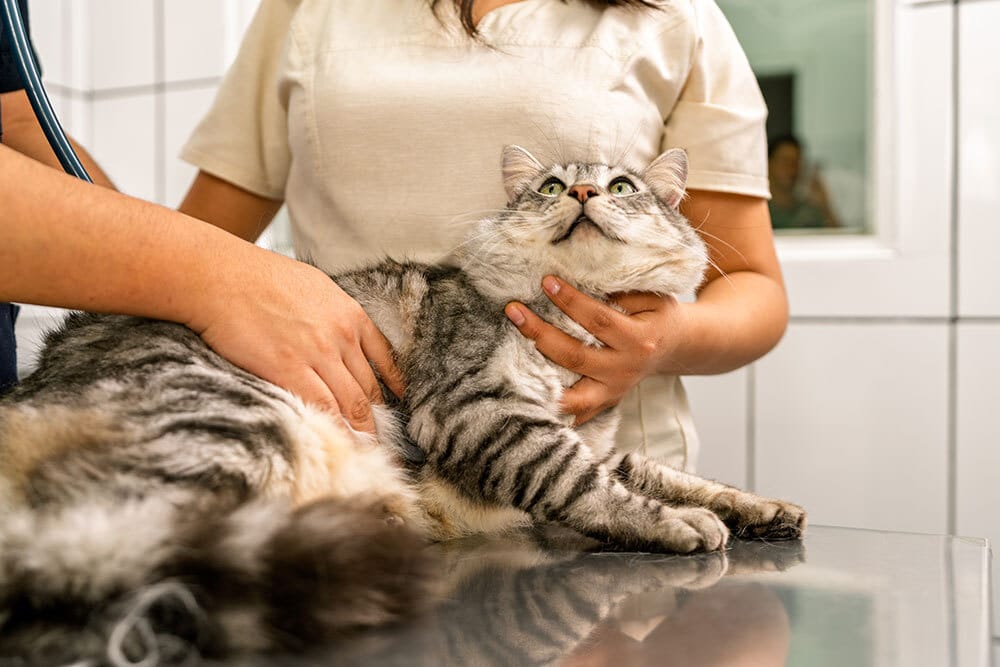
Lymph node locations are distributed throughout the body to monitor different regions. Cat lymph nodes follow similar patterns as dogs, but may be harder to palpate due to size. At home, gentle checks are fine, but any new or changing lump should be examined by a veterinarian. During exams, we palpate lymph nodes and assess overall health to find the cause, not just note the swelling.
Why Lymph Nodes Enlarge: Categories That Guide Care
“Lymphadenopathy” means enlarged lymph nodes. It’s a sign, not a diagnosis. Broad causes guide how we proceed:
- Reactive hyperplasia: Benign immune “ramp up,” often short-lived.
- Infection or inflammation: Bacterial, viral, fungal, or parasitic- local or body-wide.
- Neoplasia: Cancers such as lymphoma, or spread (metastasis) from other tumors.
- Other causes: Immune-mediated disease, allergic reactions, lymphedema, or obstruction.
We start with history and exam, then choose targeted diagnostics that fit your pet’s presentation and your goals.
Infections and Inflammation: Often Treatable
Local infections (mouth, ear, skin) commonly cause nearby nodes to swell. Lyme disease in dogs can enlarge multiple nodes and cause joint pain and lethargy. Regional risks include leptospirosis in pets and fungal disease, which may cause cough, weight loss, fever, and widespread node enlargement.
Typical scenarios:
- Dental disease inflames nearby nodes; our dentistry specialists provide complete oral exams and treatment while we monitor node response.
- Skin wounds or hotspots create reactive nodes; our dermatology team addresses underlying causes while treating the source.
- Vector-borne risks are assessed by lifestyle and season; we recommend year-round prevention.
If infection is suspected, we treat the source and may prescribe antibiotics, antifungals, or anti-inflammatories, with rechecks to track response.
Cancer: Lymphoma and Metastasis
Lymphoma- a cancer of lymphocytes- often presents with multiple firm, non-painful swollen nodes. It’s the classic cancer of the lymphatic system. Types of cancer in pets vary widely in presentation and treatment options. Canine lymphoma accounts for a significant percentage of cancer diagnoses in dogs. Research continues to advance our understanding of lymphoma and improve treatment protocols. Feline lymphoma presents unique challenges and often involves the gastrointestinal tract.
What we discuss with families:
- Multicentric lymphoma (many node groups) is common.
- Other forms involve the GI tract, chest, skin, or specific organs.
- Nodes can also enlarge because other cancers have spread to them.
If lymphoma is suspected, we move quickly with cytology or biopsy, staging tests, and a plan aligned with your pet’s quality-of-life goals. Our oncology services at the Central location in partnership with Southwest Veterinary Oncology offer world-class care including combination and single agent chemotherapy, immunotherapy, and access to clinical trials. Dr. Klein’s dual role as a clinical lecturer and researcher at the University of Arizona Cancer Center means your pet benefits from the latest advances in veterinary oncology. Options range from multi-agent chemotherapy to simpler regimens and palliative care.
Other, Less Common Causes
Immune-mediated disease, allergic reactions, and structural lymphatic problems can also cause swelling. Lymphedema in dogs involves true tissue fluid accumulation and is uncommon but important to recognize. Vaccine or drug reactions may create short-lived changes.
For atypical cases, our internal medicine team integrates lab data, imaging, and response to treatment to clarify the cause.
How Veterinarians Pinpoint the Cause
We begin with a physical exam and history, then add tests that answer the next best question. You’ll receive clear communication about findings, options, costs, and timelines.
Exam Findings That Matter
During a head-to-tail exam, we palpate lymph nodes and note:
- Size, texture, and symmetry
- Whether nodes are mobile or fixed
- Pain, warmth, or skin changes
- Pattern: single node, regional group, or generalized
We also look for fever, weight loss, lethargy, oral disease, wounds, or skin lesions that suggest infection or inflammation. If a pet shows urgent signs, we triage immediately at our East Side location and tailor diagnostics to the most pressing needs.
Getting Definitive Answers: Cytology and Biopsy
Fine-needle aspiration (FNA) is often first. It’s quick, minimally invasive, and yields cells for a pathologist. Cytology vs biopsy each serve distinct diagnostic purposes depending on the case. Cytology can identify many infections, reactive patterns, and a large proportion of lymphoma cases. When cell samples aren’t enough, we may recommend a core or excisional biopsy.
For suspected lymphoma, additional tests such as immunophenotyping may help subtype the disease. Staging often includes bloodwork, urinalysis, chest radiographs, and abdominal ultrasound. Our sonographers use sophisticated equipment to detect enlarged lymph nodes, organ abnormalities, and other internal changes. For surgical sampling, our surgery partners at Southwest Veterinary Surgical Services assist with node excision under individualized anesthesia protocols, with our board-certified anesthesiologist available for high-risk patients.
Treatment Paths and Prognosis: Tailored to the Diagnosis
There’s no one-size-fits-all therapy. We match treatment to the cause and your family’s preferences.
Infectious/inflammatory:
Treat the source (wounds, skin, ears, dental) plus antibiotics, antifungals, or anti-inflammatories as indicated. Monitor for resolution with rechecks and, if needed, imaging.
Lymphoma and other cancers:
Options include multi-agent chemotherapy, single-agent therapy, palliative care, or steroids. Goals focus on remission when possible, maximizing comfort and good time together. Cure is uncommon for lymphoma, but many pets enjoy meaningful months to years with appropriate management. Our oncology service at the Central location coordinates chemotherapy protocols, innovative therapeutics, nutritional counseling, and clinical trials when available. We also offer external beam radiation therapy at our Central location on East Fort Lowell Road for cases where radiation is indicated.
Metastatic disease:
Care may combine surgery, systemic therapy, and palliative support depending on tumor type and spread. Our surgical team handles complex oncologic procedures including mass removals, biopsies, and tumor resections.
Supportive care:
Appetite support, anti-nausea medication, pain control, and simple home adjustments to keep daily life easy.
We define terms clearly. Remission means we cannot detect cancer with current tests and exam. Cure means it doesn’t return- rare for lymphoma. We plan rechecks and discuss “rescue” options if disease flares.
Ongoing Monitoring: Rechecks, At-Home Checks, and Communication
Monitoring confirms that treatments work and helps catch changes early. After starting therapy- or if we choose watchful waiting- we set recheck intervals and explain what to watch for at home.
Typical follow-up:
- Regular exams and palpation of known nodes
- Periodic bloodwork, especially during chemotherapy or long-term meds
- Imaging when needed to assess internal nodes or organs
- Simple at-home palpation guidance to note size or symmetry changes
We prioritize clear communication and collaborate with referring and family veterinarians. You’ll receive written instructions, medications, and follow-up plans. If concerns arise, our Internal Medicine, Oncology, and emergency teams coordinate rapid answers.
Practical FAQs: Quick Answers to Common Questions
Is one enlarged node always serious?
Not always. A single reactive node near a minor infection can resolve with treatment. Because appearance can be misleading, evaluation is important.
Can infections and cancer look the same?
Yes. Firm, enlarged nodes can occur with both. That’s why cytology or biopsy is recommended instead of guessing.
Will my pet need anesthesia?
Fine-needle aspiration is usually done without general anesthesia. Biopsies and some imaging may require anesthesia tailored to your pet’s health.
How fast should I seek care?
If your pet is otherwise comfortable, schedule a prompt exam. If there’s fever, lethargy, breathing trouble, severe pain, or collapse, go to our East Side location immediately for 24/7 emergency triage.
Moving Forward With Clarity and Care
The key takeaway: swollen lymph nodes deserve timely evaluation because the reason for enlargement determines treatment and outcome. Many causes are manageable, and even serious diagnoses can be approached with compassionate, individualized care that prioritizes quality of life.
If you’ve found a new lump or your pet’s lymph nodes seem larger, reach out today. Contact our team any time if your pet’s condition is urgent. We’re here with answers, options, and steady guidance at every step.



Leave A Comment