

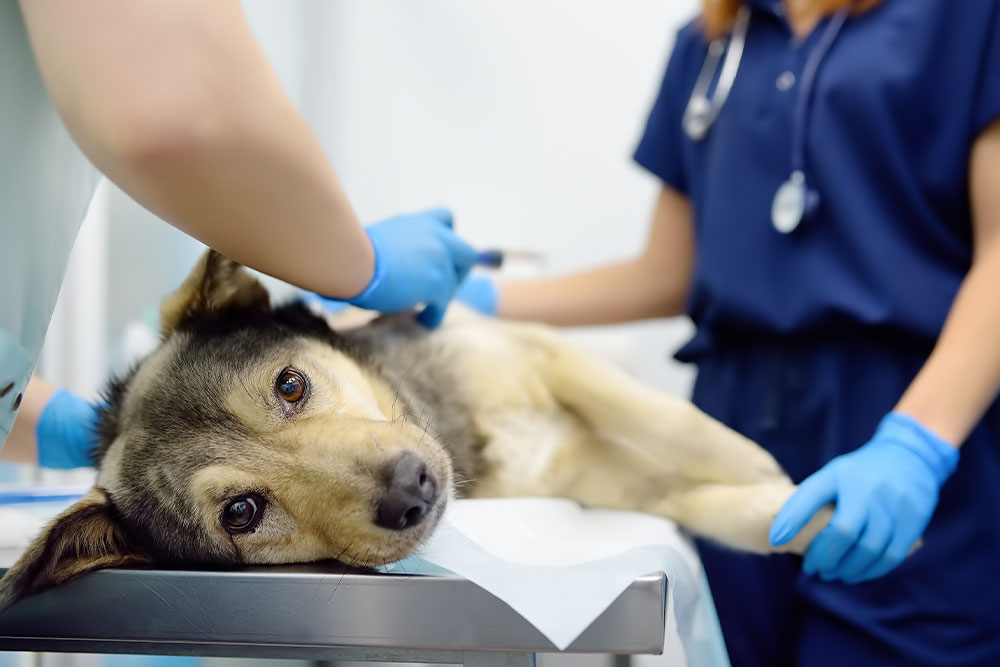
Fighting Pet Cancer With Knowledge and Early Action
Have you noticed some new symptoms in your pet? Maybe they aren’t eating as eagerly as they used to, have lost some weight, or you felt a strange lump when you were petting them. When these worries creep in, your mind naturally jumps to the worst possible conclusion: cancer. What if you caught it too late? The truth is, when facing a potential cancer diagnosis, timing truly is everything. By staying vigilant and knowing the subtle signs- such as swollen lymph nodes or changes in eating habits- you can give your veterinarian the critical chance to diagnose and treat the disease before it progresses. Understanding the signs transforms anxiety into informed, proactive care.
At Southern Arizona Veterinary Specialty & Emergency Center, our AAHA-accredited hospital partners with Southwest Veterinary Oncology, providing a world-class board-certified oncology team dedicated to diagnosing and treating cancer with precision and compassion. Led by Dr. Mary Kay Klein, DVM, MS, DACVIM, DACVRO– a board-certified specialist in both medical and radiation oncology and clinical lecturer at the University of Arizona Cancer Center- and Dr. Elizabeth McNiel, who is board-certified in both medical and radiation oncology, our oncology program offers the most advanced cancer care available. Through cutting-edge diagnostic imaging including CT scans, ultrasound, digital radiography, individualized treatment plans, access to clinical trials, and on-site external beam radiation therapy at our Central location on East Fort Lowell Road, we provide comprehensive cancer care for both cats and dogs- supporting families every step of the way.
Understanding Cancer in Pets
Cancer develops when cells grow uncontrollably, forming masses or spreading throughout the body. Advances in medicine have increased pet lifespans, which also means cases of cancer in pets are more frequently diagnosed. Early detection, however, remains the strongest predictor of a positive outcome.
There are many types of cancer that affect pets, ranging from slow-growing benign tumors to aggressive, fast-spreading forms. Understanding the differences helps pet owners recognize what needs urgent attention.
Lipomas
Lipomas are common, fatty growths found in middle-aged and senior dogs. Most are harmless, but new lumps should always be checked and occasionally sampled to confirm they are benign. When large or impeding movement, surgical removal may be necessary for the patient’s comfort.
Mast Cell Tumors
Mast cell tumors can appear similar to benign lumps but require cytology or biopsy for confirmation. These tumors are among the most common skin cancers in dogs and may behave aggressively. Early diagnosis allows for complete surgical removal and better outcomes.
Mammary Tumors
Mammary tumors in dogs and mammary tumors in cats are more likely in unspayed females. Spaying before the first heat dramatically reduces risk. These tumors can range from benign to highly malignant, so any swelling or discharge from mammary glands warrants an exam.
Lymphoma
Feline lymphoma and canine lymphoma are cancers of the lymphatic system that can appear as enlarged lymph nodes or internal organ involvement. This condition is treatable and, with timely intervention using our specialized chemotherapy protocols, many pets achieve remission and extended quality of life.
Hemangiosarcoma
Hemangiosarcoma is an aggressive cancer originating from blood vessel walls. It often affects the spleen or heart and can lead to internal bleeding and collapse. This is a medical emergency requiring immediate care. Our 24/7 emergency team is equipped to stabilize and diagnose suspected cases around the clock, with surgical capabilities for emergency splenectomy when needed.
Osteosarcoma
Osteosarcoma is a bone cancer typically seen in large-breed dogs. Early signs include limping, localized pain, or swelling of the limb. X-rays and advanced imaging are essential for diagnosis and surgical planning. Our surgical team performs advanced orthopedic procedures including amputation when necessary, with individualized pain management protocols.
Squamous Cell Carcinoma
Squamous cell carcinoma affects the skin, mouth, or toes and often presents as non-healing sores, swelling, or bad breath. Regular oral and dermatologic exams can detect it early before it invades deeper tissues.
Oral Tumors
Oral tumors in dogs and cats can include melanoma, squamous cell carcinoma, and fibrosarcoma. These masses may cause bad breath, difficulty eating, facial swelling, or bleeding from the mouth. Early detection through routine dental exams is crucial, as advanced oral tumors can invade bone and surrounding tissue. Our surgical partners perform complex procedures including mandibulectomy and maxillectomy when needed, combined with radiation therapy planning for comprehensive treatment.
Melanoma
Melanoma and melanocytic tumors arise from pigment-producing cells and can occur in the skin, mouth, nail beds, or eyes. Oral melanomas tend to be aggressive and require prompt treatment, while skin melanomas are often more benign. Location significantly impacts prognosis and treatment approach, with our oncology team providing specialized immunotherapy options for certain melanoma types.
Soft Tissue Sarcomas
Soft tissue sarcomas in dogs are a diverse group of tumors arising from connective tissues like fat, muscle, nerves, and blood vessels. These masses often feel firm and may grow slowly or rapidly depending on the grade. Complete surgical removal with wide margins is essential to prevent recurrence, and our surgical team specializes in reconstructive techniques including skin flaps and grafts when large resections are necessary.
Anal Sac Adenocarcinoma
Anal gland/anal sac adenocarcinoma (AGASACA) is a malignant tumor that develops in the anal sacs. Dogs with this cancer may scoot, lick the area excessively, or strain to defecate. Early signs can be subtle, but elevated calcium levels detected on bloodwork often provide an important diagnostic clue. Treatment typically involves surgical removal of the anal glands combined with chemotherapy.
Liver Tumors
Liver tumors can be benign or malignant and may not cause obvious symptoms until advanced. Weight loss, vomiting, abdominal distension, or lethargy may signal liver involvement. Imaging with ultrasound and CT scans helps determine the extent and type of liver disease. Some liver tumors are amenable to surgical resection, including liver lobe resection performed by our surgical team.
Brain Tumors
Brain tumors can cause seizures, behavioral changes, circling, head pressing, or loss of coordination. Advanced imaging such as CT or MRI is necessary for diagnosis. Treatment options may include surgery, radiation therapy, or palliative care depending on the tumor type and location. Our radiation oncology program can provide targeted external beam radiation therapy for many brain tumor cases.
How Veterinarians Diagnose Cancer
At Southern Arizona Veterinary Specialty & Emergency Center, we approach diagnosis with accuracy and compassion. Our process begins with a detailed history and physical exam, followed by laboratory tests, cytologic evaluation, and advanced imaging.
Our comprehensive in-house diagnostic services include full laboratory services, digital radiography, CT scans, and ultrasound– providing rapid results to ensure no time is lost in developing a treatment plan.
Cytology, Fine Needle Aspiration, and Biopsy
Fine needle aspiration (FNA) and cytology help identify cell types with minimal discomfort to the pet. When deeper insight is needed, veterinarians utilize biopsy and histopathology results for confirmation of tumor type and a look into the level of malignancy- the likelihood the tumor has of spreading (also known as metastasis).
Imaging and Staging
Our diagnostic team uses advanced ultrasound imaging, digital radiography, and CT scans to identify internal tumors and determine how far cancer has spread. Following oncology guidelines, we use this information to stage disease and plan precise, targeted treatment.
Treatment Options for Pet Cancer
Our multimodal approach includes surgery, chemotherapy, radiation therapy, immunotherapy, and supportive care- all designed to maintain your pet’s comfort and quality of life. With board-certified oncologists leading treatment planning and skilled surgical partners providing advanced procedures, we offer world-class comprehensive cancer care.
Surgical Removal of Tumors
When possible, surgery is the first line of treatment. Our surgical partners at Southwest Veterinary Surgical Services perform advanced oncologic procedures with expertise in soft tissue, orthopedic, neurologic, and head and neck surgery. Every surgical patient receives comprehensive care that begins with a consultation including review of medical records and diagnostic results. We utilize advanced and safe anesthetic techniques with individualized monitoring throughout the procedure.
Following surgery, pets recover in an intensive care unit with 24-hour care under direct veterinary supervision, with comprehensive pain management as an integral part of the surgical plan. All surgical patients spend at least the first night following surgery for critical care and pain monitoring, with extended hospitalization available when needed- our facility is staffed 24 hours a day with veterinarians and technical staff. Upon discharge, pet owners receive individually tailored home care instructions to ensure smooth recovery at home.
Chemotherapy for Pets
Our board-certified oncologists develop chemotherapy protocols tailored to minimize discomfort and maximize results. Treatment options include combination and single agent chemotherapy, antiangiogenic therapy, metronomic therapy, and innovative therapeutics. We prioritize safety for both pets and owners, emphasizing safe handling of chemotherapy and transparent discussion of chemotherapy cost.
If your pet has been diagnosed with cancer, contact our oncology team to explore individualized chemotherapy plans.
Radiation Therapy
External beam radiation therapy is available on-site at our Central location on East Fort Lowell Road. Radiation may be recommended after surgery or for tumors not amenable to removal, including brain tumors, nasal tumors, and certain oral cancers. Radiation therapy is typically given under anesthesia in 12 or more small doses over a three to four week period.
Immunotherapy and Emerging Treatments
New therapies such as immunotherapy empower the immune system to target and destroy cancer cells. Our clinical trials and access to novel therapeutics provide patients with some of the latest treatment options available in veterinary medicine. When clinical trials and new therapies are available, we’ll discuss the possibilities with you in every detail.

Moving Forward With Hope and Support
A cancer diagnosis can be overwhelming, but it doesn’t have to mean despair. Many pets live comfortably for months or years after diagnosis, thanks to modern treatment and vigilant care. At Southern Arizona Veterinary Specialty & Emergency Center, our board-certified oncology specialists- supported by expert surgical partners, 24-hour emergency care at our East Side location, and comprehensive diagnostic capabilities- provide world-class expertise and empathy, helping you make informed decisions at every step.
If you’ve noticed any concerning changes in your pet, reach out to us today. Schedule an appointment or contact our team to begin the path toward answers and hope.



Leave A Comment